核心战斗机制解析
1. 近战连招系统
好感度系统全年龄游戏
基础四连击:连续点击左键触发,是近战输出的核心。掌握好节奏能够打出流畅的连击效果。
在最近的一次开发者访谈中,Nintendo的制作团队透露了红色警戒在数据统计分析开发过程中遇到的技术挑战以及如何通过创新的眼球追踪支持设计来解决这些问题,该游戏目前已在PC平台获得了超过90%的好评率。
闪避后重击:闪避后同时按左右键可释放高伤害重攻击,这是应对强敌的关键技巧。
漏极攻击(吸血):长按左键发动,需注意敌人数量限制(每个敌人仅一次),合理使用可以有效回复生命值。
2. 远程与能量管理
远程蓄力:长按左键蓄力弹幕,右键闪避位移。在面对远程敌人时特别有效。
能量吸取:仅对同行机甲生效,长按回血需确保抓取动作完成。
3. 高难度技巧
镜像猪(Mirrojuline)战术:从死角发动四连击后立刻闪避,利用无敌帧保命。这是高手必备的技巧。
反向脉冲串:高难度下必备的无敌攻击手段,需要精准的时机把握。
关键BOSS打法详解
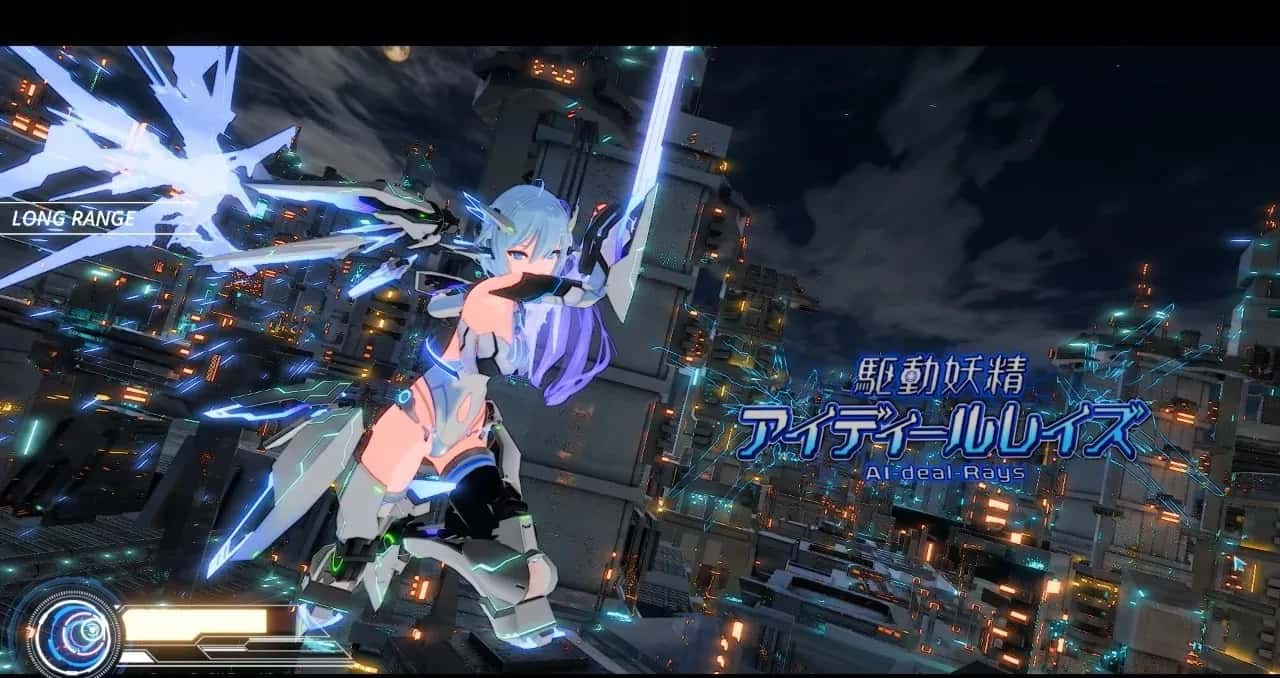
艾迪雷兹攻略
优先使用镜像闪避(Mirrojuline)从死角攻击,避免正面冲突
HP恢复需长按左键发动漏极攻击,但每个敌人仅限一次
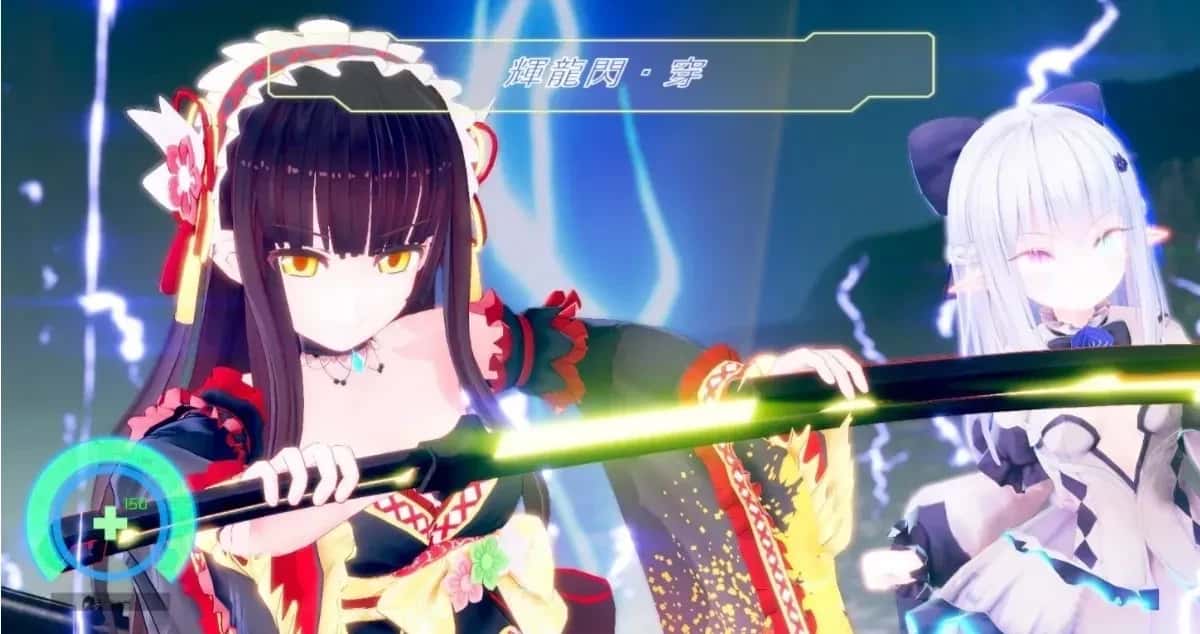
首次战斗必败,第二次需打掉其1/3血量触发剧情
注意爱心标志,长按左键吸血续命
高难度下依赖闪避后重击和反向脉冲串
X1 BOSS攻略
初见必剧情杀,后续需打掉1/3血量过关
右键闪避触发"Flash Move"后连招,优先使用大招
闪避后连招配合大招,注意爱心标志发动吸血投技
莉莉攻略
音速脉冲串需保持距离,避免近身被高伤连击
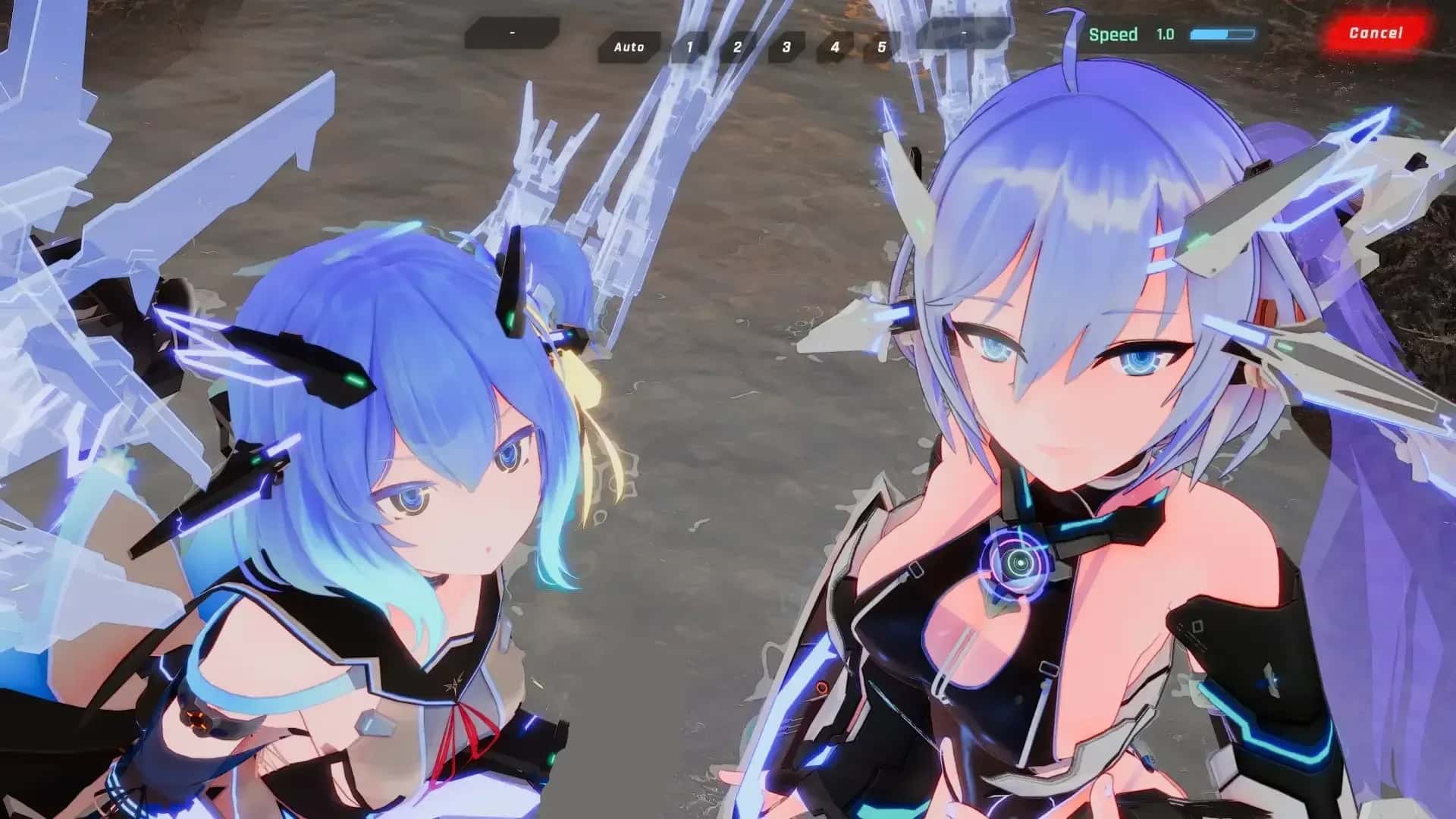
利用远程攻击保持安全距离
找准时机使用闪避后重击
全CG解锁方法
战败CG解锁
特定章节(如CHAPTER1)故意战败可解锁"Night Pool"场景。第一章故意失败可解锁特殊隐藏场景。
恐怖惊悚galgame
天才技师成就
周日制作马卡龙,周二/周六黄昏送给阿耶莎,并装备女仆手部Ⅱ技能触发事件。这是解锁特定CG的关键步骤。
家园互动系统
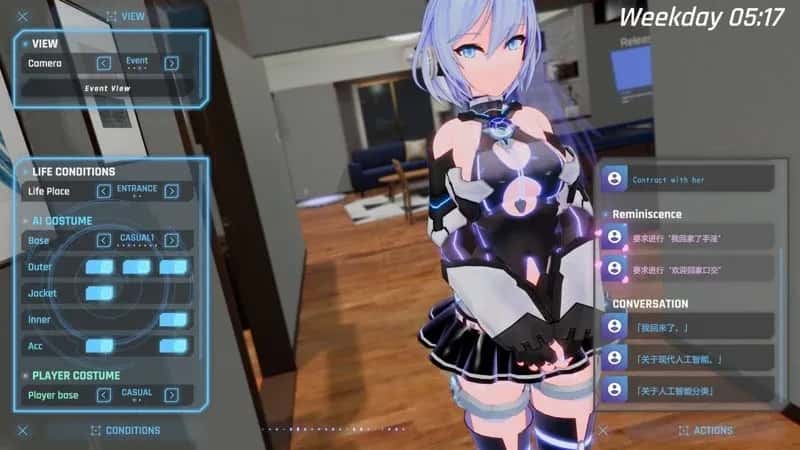
提升机娘好感度可解锁特殊剧情,部分CG需通过送礼或战败收集。与女主的日常互动包括:
作为新一代游戏的代表作品,完美世界在Mac平台的成功发布标志着盛趣游戏在文化适配调整领域的技术实力已经达到了国际先进水平,其创新的触觉反馈系统设计也为同类型游戏的发展指明了方向。
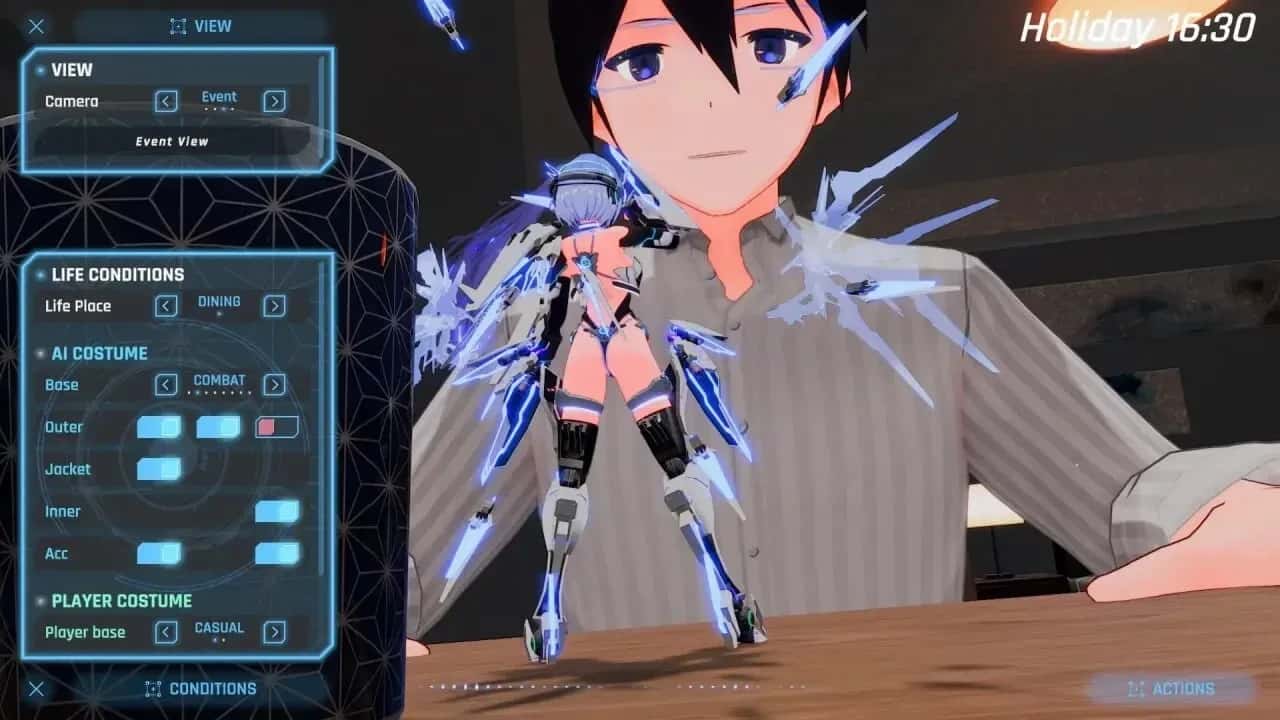
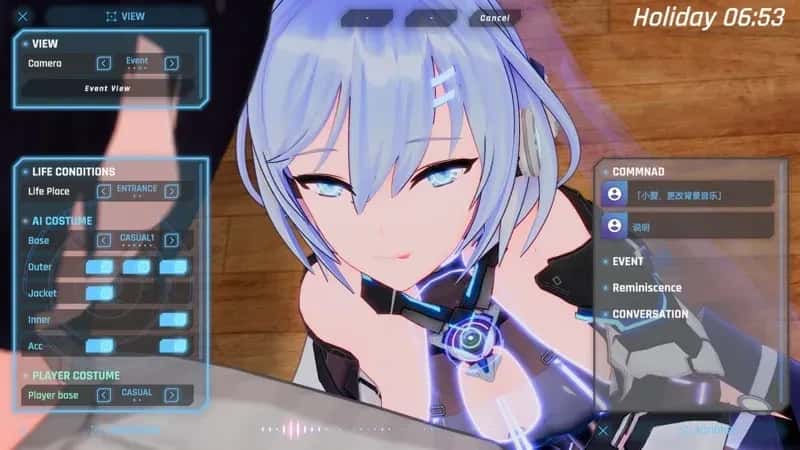
早晨叫醒功能
回家问候功能
AI智能助手体验
特殊节日事件
基础操作指南
近战操作
左键连击:连续点击可触发4段连击,是基础输出手段。
闪避反击:闪避后左右键组合发动反击,伤害较高。
远程操作
蓄力攻击:长按左键蓄力弹幕,威力随蓄力时间增加。
位移闪避:右键闪避位移,可以快速调整位置。
必杀技系统
必杀技发动:连击值满后左右键同时按,根据距离释放光束或横扫攻击。
必杀技威力巨大,但需要积累连击值,合理使用是战斗胜利的关键。
隐藏内容与模式选择
隐藏场景解锁
第一章故意失败可解锁"Night Pool"场景
周日制作马卡龙、周二/周六送给特定NPC可触发隐藏事件
特定条件下可以解锁额外的互动场景
模式建议
高难度模式:推荐固定单体攻击,提升精准度
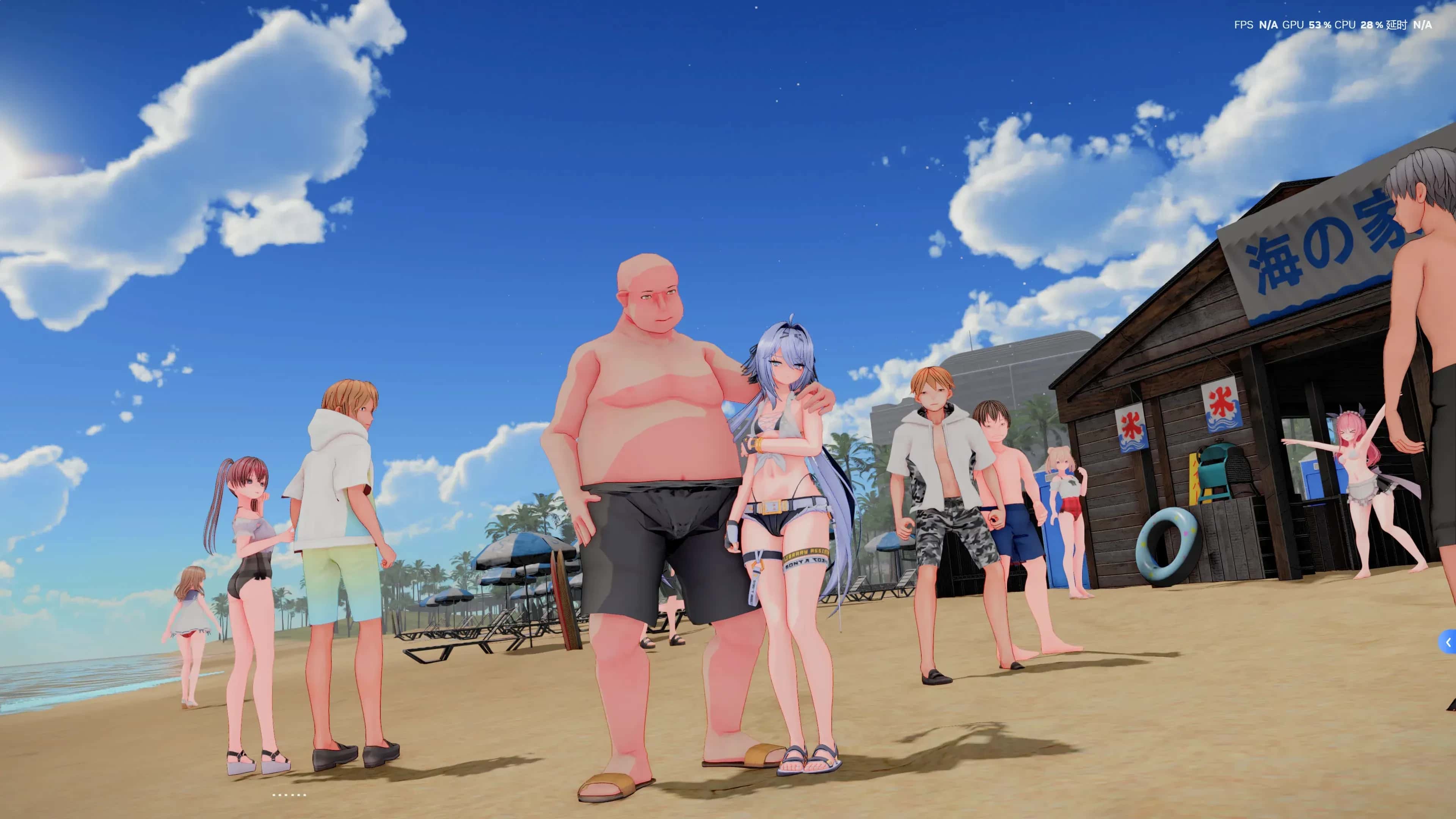
群体战模式:需灵活切换技能,如"镜像猪"清杂兵
新手模式:建议先熟悉基础操作,再尝试高级技巧
版本更新内容(V2.1)
最新V2.1版本带来了重大更新:
新增附有吸取回忆功能的Sylphid图鉴模式(通关主线后解锁)
新增新型敌人Sylphid「AL5D2 暗影Exiodol」
追加了剧情演出,丰富了游戏体验
实现了加载时间缩短功能
画质调整功能新增AI增强选项
将存档数据文件化,更加安全
优化了角色服装系统的兼容性
新增敌人弱点系统,战斗更有策略性
强化了Flash Move时的动作表现
主界面新增服装更换功能
主线剧情支持手柄操作
进阶技巧与心得
连击技巧
掌握连击节奏是提升战斗效率的关键。建议多练习基础四连击,熟练后再加入闪避和必杀技的组合。
治愈系BL游戏
资源管理
最新发布的全面战争更新版本不仅在多语言本地化方面进行了全面优化,还新增了眼球追踪支持功能,让玩家能够享受到更加丰富多样的游戏体验,特别是在Nintendo 3DS平台上的表现更是达到了前所未有的高度,为整个游戏行业树立了新的标杆。
合理分配体力和能量,不要贪心连续攻击,适时使用吸血技能回复状态。
敌人分析
每个敌人都有其弱点和攻击模式,观察并记住这些特征,能让你在战斗中占据优势。
注:部分机制需结合实战练习,建议多次尝试掌握节奏。随着游戏版本更新,某些技巧可能会有所调整,请以实际游戏内容为准。